


Lentil Stew with Zing

lentil-stew small1Lentils are a light and delicious protein source and our Health-e-Recipe for Greek Lentil Stew makes them interesting.

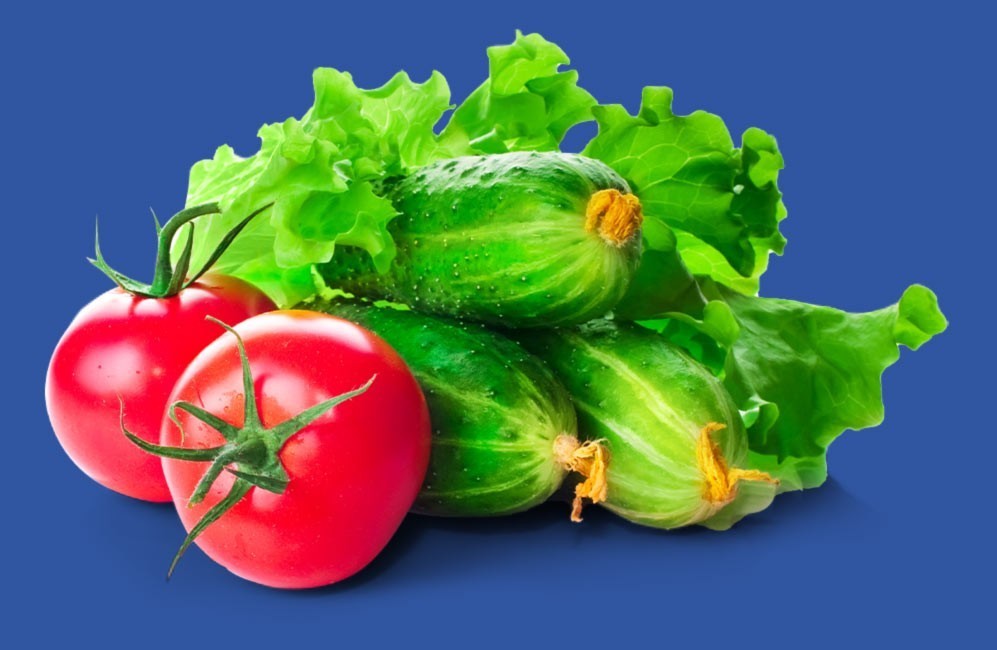
Since it’s National Fresh Fruit and Vegetable Month, we’ve added yellow bell peppers, red onion, garlic and zucchini – all of which contain natural compounds that may reduce your cancer risk.  A dash of tomato paste, cinnamon and unsweetened pomegranate juice adds dimension to the basic savory quality of the lentils. A sprinkle of zingy feta cheese tops it all off.

Per cup, cooked lentils provide about 18 grams of protein, a whopping 15 grams of cancer-preventive fiber per cup and no fat, making them a very healthy substitute for meat protein, which has no fiber but does contain unhealthy saturated fat (about 7 grams for 3.5 ounces of cooked beef chuck stew meat).

During swimsuit season, this lentil stew will satisfy your appetite while keeping calories and fat low enough so you can eat it with a 200-calorie half-cup serving of brown rice and a fresh green salad with oil and balsamic vinegar dressing.

Visit the AICR Test Kitchen for more cancer-preventive recipes. Subscribe to our weekly Health-e-Recipes.


Confused About the Latest Research? You’re Not Alone

If you’ve ever found yourself wondering why so many nutrition studies seem to contradict each other – and why studying nutrition and cancer is so difficult – you are in good http://www.dreamstime.com/royalty-free-stock-images-apple-image16057189company. I recently returned from the American Society for Nutrition meeting at the 2013 Experimental Biology conference in Boston and as usual, this was a prominent topic of conversation.

This year at the conference a session that particularly drew my attention was sponsored by ILSI North America. Presentations and videos from this session are available on the ILSI website.

One of the speakers in the session, statistician David Allison, PhD, suggested provocative actions that challenge the way research is traditionally conducted and publicized. According to Dr. Allison, all too often published research is distorted and misleading.

Some of the reasons for this include the common practice of not reporting all the analyses that are conducted in a given study, not publishing (or being able to get published) results from studies don’t find effects, and overstating the importance of a study’s findings. Continue reading


Nutrition in our Food: It’s From Eating It

http://www.dreamstime.com/stock-photography-arugula-green-bowl-image30394372Question: How many wrong ways are there to eat a plain, raw apple? Answer: None.

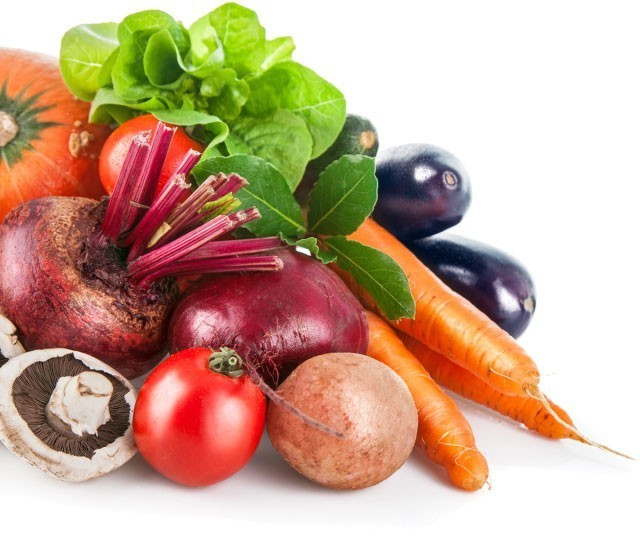
According to an opinion piece in this past Sunday’s New York Times, the vegetables and fruits we eat today contain a fraction of the health promoting phytonutrients found in the wild varieties of these foods. These stripped down versions, says the author, Jo Robinson, are a driving force for many chronic diseases like heart disease, type 2 diabetes and cancer.

Her conclusion: The message to eat more of our current vegetables and fruits is not enough – we must also select the “right” varieties, including blue corn, arugula (pictured) and wild foods like dandelion greens, for best health.

I love seeing the heirloom purple carrots, blue potatoes and dark red apples in farmer’s markets and even in some grocery stores. And it’s a dietitian’s dream to see people eating a wide variety of deep and colorful fruits and vegetables. Continue reading