


Study: Shopping Hungry? Shopping Unhealthy

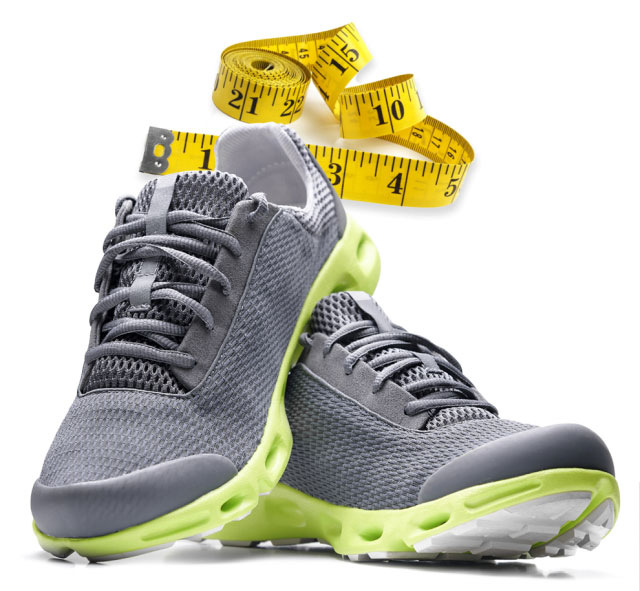
If you’re stomach is rumbling with hunger a new study now gives you a solid reason to put off that grocery trip, suggesting you might buy the same amount of food but you’ll come away with more unhealthy items.iStock_000016308603_ExtraSmall

The study was published this week in JAMA Internal Medicine.

Research already suggests that hunger can affect food purchases, but study researchers wanted to see what happens to the types of foods people buy after skipping a meal or other short-term fasts.

The researchers delved into our shopping habits with two tests: One in a laboratory and the other a supermarket. In the lab study, 68 participants of all ages were asked not to eat for five hours before they went to the session. Half of the participants in the sessions could eat as many crackers as they wanted until they no longer were hungry. The other half remained hungry. All the participants were then asked to shop in an online grocery store. Continue reading


Study: How Exercise May Decrease Breast Cancer Risk

For postmenopausal breast cancer, there’s a strong body of evidence that shows exercising reduces the risk. But cancer can take years to develop. A new study that may help explain the link now suggests that when young women jog and are aerobically activecanstockphoto13529535 it causes changes in estrogen metabolism, which then plays a role in reducing later breast cancer risk.

The study, published in Cancer Epidemiology, Biomarkers & Prevention, is one of only a few clinical trials to focus on exercise and estrogen metabolism among younger women.

Study researchers wanted to focus on estrogen metabolism because the majority of breast cancers are related to the hormone estrogen. Research suggests that a higher lifetime exposure to estrogen increases a woman’s risk for breast cancer. Yet there are many forms of estrogen and they appear to play a different role in risk.

Lab studies have suggested that two of the forms, estradiol and estrone, play a role in cancer development. These forms of estrogen break down or metabolize into compounds and it’s the ratio of these metabolites that studies have suggested may influence breast cancer risk.

For this study, researchers randomly divided almost 400 sedentary young women into two groups: about half of the women were asked to exercise regularly and the others continued with their inactive lifestyle. All the women were premenopausal and the groups included women who were roughly the same age and weight. Continue reading


Cancer Research Month: How Your Doctor Knows the Latest

http://www.dreamstime.com/royalty-free-stock-images-group-doctors-image13298319Cancer research often makes splashy headlines, especially if the study appears to contradict conventional wisdom or seems to offer a potential cure. If you don’t read past the headlines, you may think that scientists are finding cures but doctors aren’t staying up to date.

But while these studies may have a role in how we understand causes and treatment of cancer, no single study by itself can be used for practicing evidence-based care. Health professionals have to go beyond the headlines and put the research in context before it becomes part of evidence-based practice. The question they ask is: Is this study really a game changer or simply another piece of data to add to the overall body of evidence?

Your doctors, nurses, dietitians and other health care providers don’t always have the time to sort through all the research and decide by themselves how to apply all the new studies to their practice. Continue reading